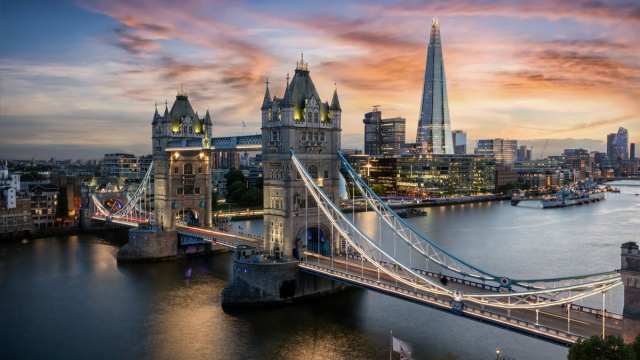
Tower of London
This iconic fortified complex stands on the banks of the Thames and has played a crucial role in history.
This iconic fortified complex stands on the banks of the Thames and has played a crucial role in history. Originally built by William the Conqueror in the 11th century, its Norman design was intended to symbolise power and domination over the population. Over the centuries, it has served as a royal residence, treasury, menagerie and arsenal, and is known to have been a place of executions and imprisonment.
Within its walls lies a collection of priceless jewels, including the coronation regalia and robes used by the British monarchy. These jewels are kept under strict security and are a major attraction for visitors from all over the world. Furthermore, the structure is home to a number of ravens, which, according to legend, are essential to the complex’s survival; it is said that if the ravens were ever to leave, both the fortress and the kingdom would fall.
Throughout its history, it has witnessed numerous historical events and undergone various alterations and extensions. Its architecture bears witness to the evolution of fortification techniques over the centuries, and its thick walls and turrets continue to command respect and admiration. The history that lies within its corridors and dungeons is rich and often grim, with tales of famous prisoners and stories of betrayal and conspiracy.
This site is not only a monument to a nation’s history, but also a UNESCO World Heritage Site, underscoring its cultural and architectural significance. Its legacy as a symbol of power, a guardian of treasures and a witness to history makes it an essential visit for anyone wishing to delve into the past of one of the world’s most influential cities.
Within its walls lies a collection of priceless jewels, including the coronation regalia and robes used by the British monarchy. These jewels are kept under strict security and are a major attraction for visitors from all over the world. Furthermore, the structure is home to a number of ravens, which, according to legend, are essential to the complex’s survival; it is said that if the ravens were ever to leave, both the fortress and the kingdom would fall.
Throughout its history, it has witnessed numerous historical events and undergone various alterations and extensions. Its architecture bears witness to the evolution of fortification techniques over the centuries, and its thick walls and turrets continue to command respect and admiration. The history that lies within its corridors and dungeons is rich and often grim, with tales of famous prisoners and stories of betrayal and conspiracy.
This site is not only a monument to a nation’s history, but also a UNESCO World Heritage Site, underscoring its cultural and architectural significance. Its legacy as a symbol of power, a guardian of treasures and a witness to history makes it an essential visit for anyone wishing to delve into the past of one of the world’s most influential cities.
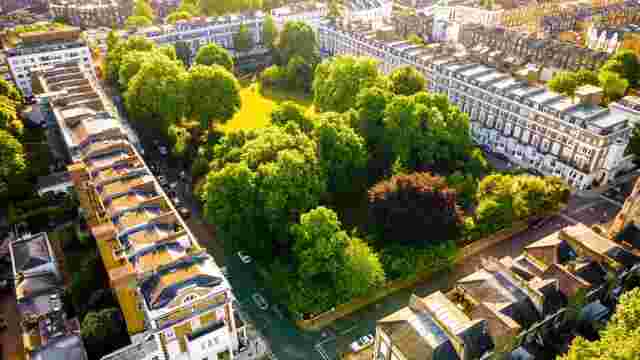
Kensington
Discover the most iconic districts on your sightseeing tour, including one of the most prestigious and elegant.
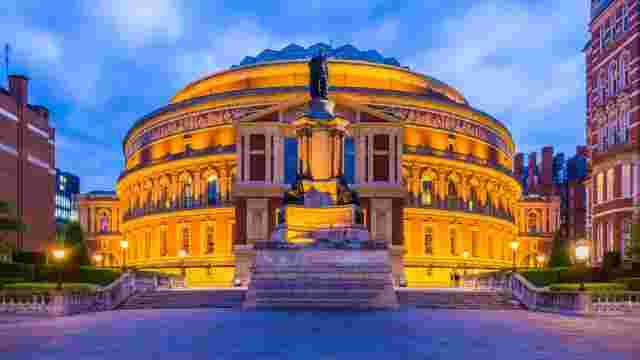
Albert Hall
Enjoy taking photos of iconic landmarks as you explore London.

Belgravia
Discover one of the most iconic districts during your sightseeing tour of the British capital.
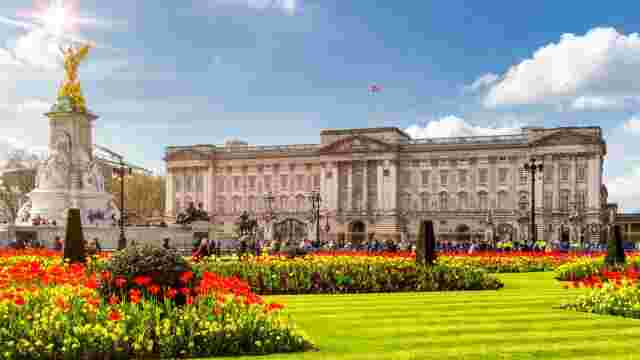
Buckingham Palace
End your tour in a majestic setting, where you’ll have some free time to explore further.
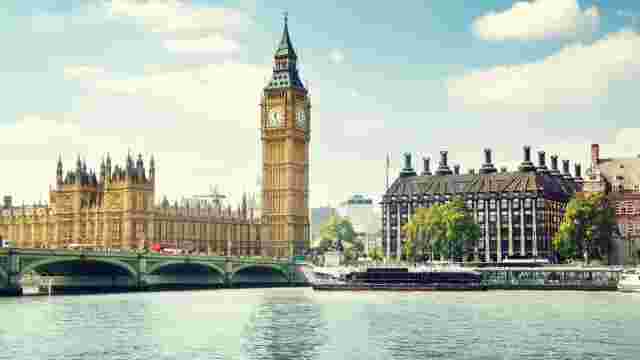
Westminster
Explore the historic heart of the city during your visit, where the architecture and heritage are sure to captivate you.
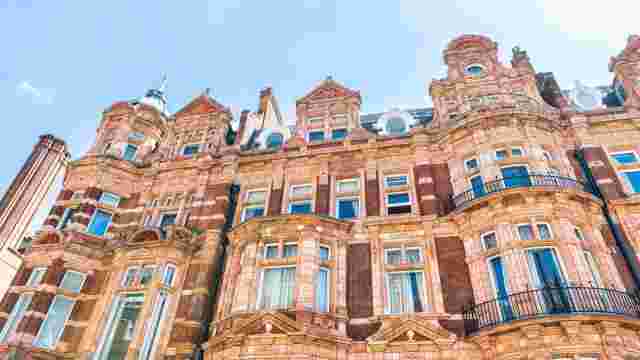
Mayfair
Explore the city’s most iconic districts and capture its essence.
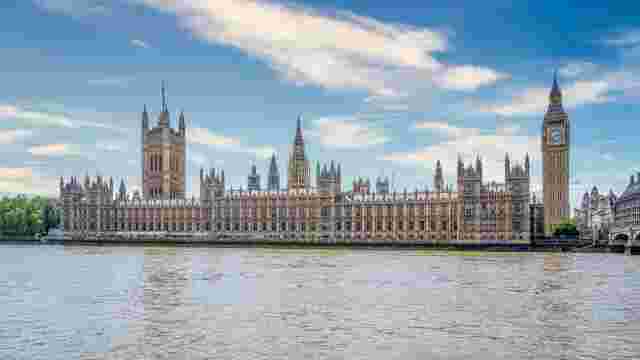
Houses of Parliament
This iconic architectural complex, situated in the heart of the British capital on the banks of the River Thames, is the epicentre of the country’s legislati...
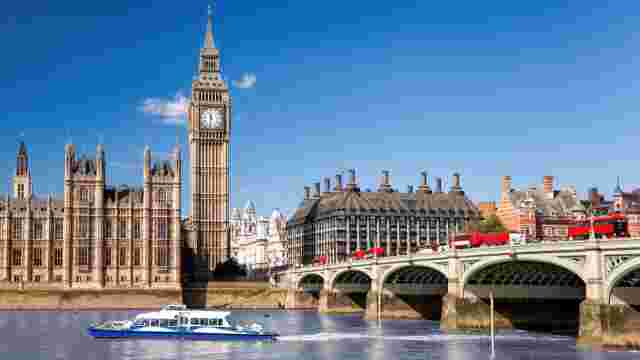
Big Ben
Make sure you take some photos of the iconic clock during your tour of Westminster.
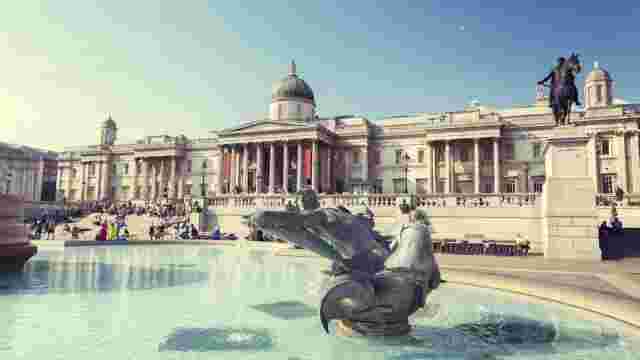
Trafalgar Square
Discover the most iconic districts and stop off to take photos of iconic landmarks along the way.

Piccadilly Circus
Explore this iconic part of London, where culture and entertainment come to life.
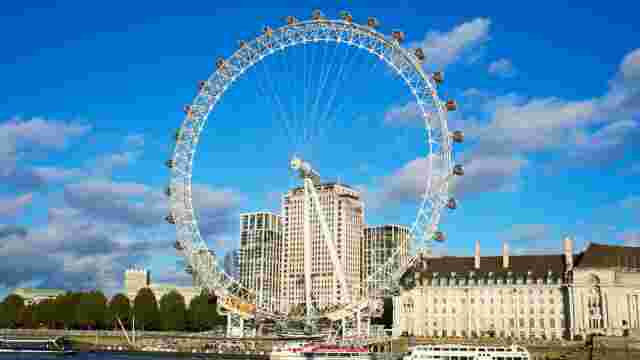
London Eye
Opened in 2000 to mark the turn of the millennium, this imposing structure stands as an iconic vantage point offering panoramic views.
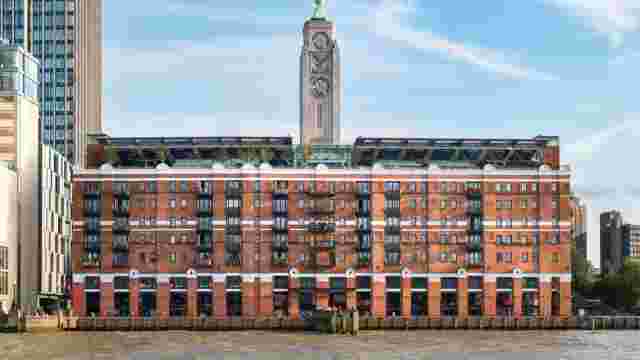
Oxo Tower
Enjoy unique views from the iconic building on the banks of the Thames during your boat trip.
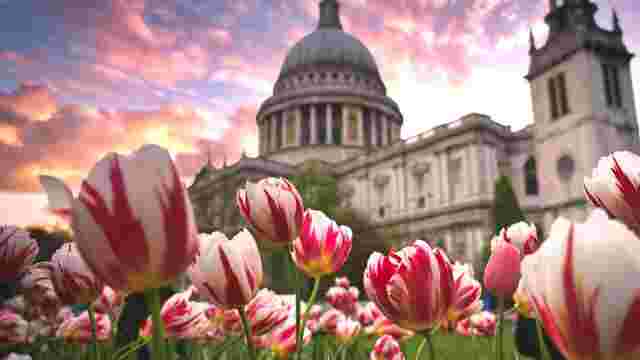
St Paul's Cathedral
Discover the setting for royal weddings as you explore the City of London during your visit.
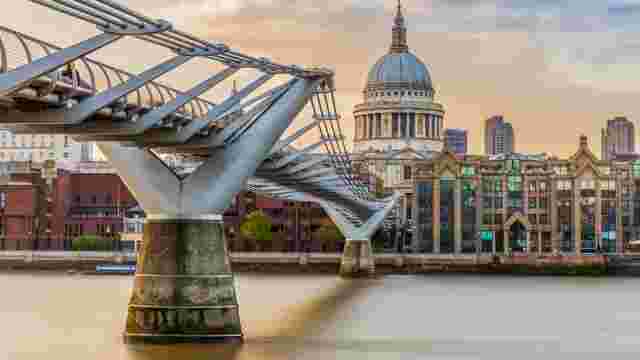
Millennium Bridge
Enjoy a stroll through the City of London and admire the contemporary architecture.
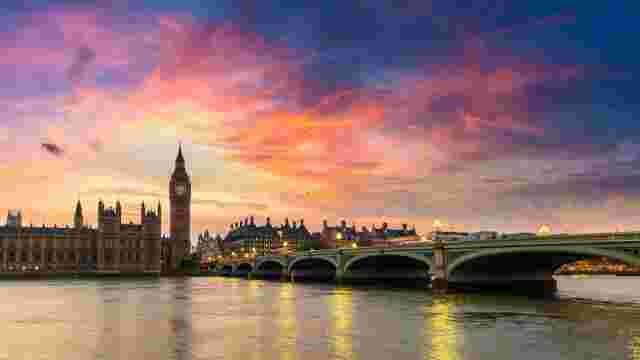
London Bridge
This iconic bridge over the River Thames has been a key link since Roman times
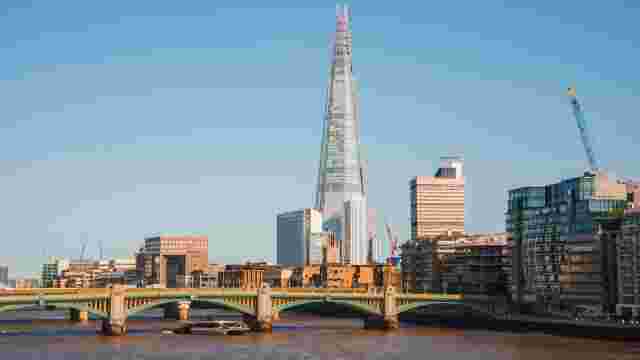
The Shard
Discover one of the most iconic skyscrapers, which stands out against London’s financial skyline.
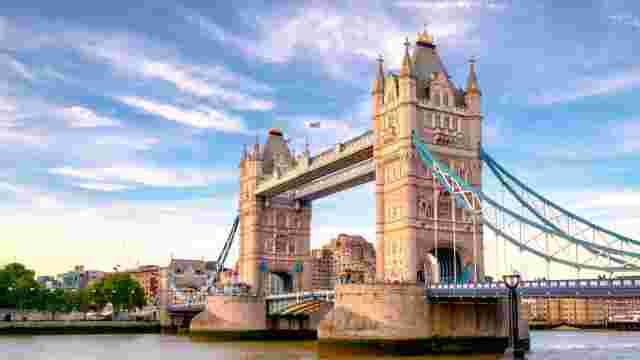
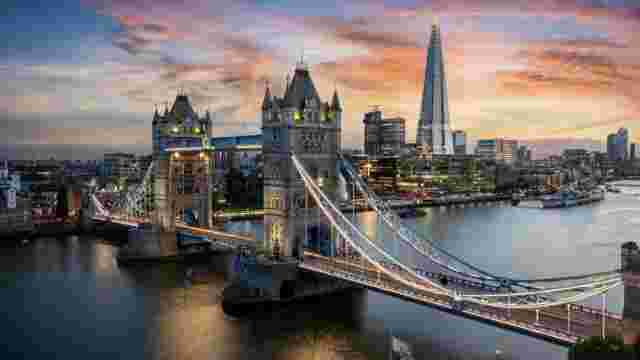
Tower Bridge
Enjoy a boat trip on the Thames and snap a spectacular photo with some unique views.
Tower of London
This iconic fortified complex stands on the banks of the Thames and has played a crucial role in history.